Marine Investment Casting: Materials, Applications and Corrosion Resistance
Marine hardware lives in one of the harshest environments a metal part can face. Salt spray, constant humidity and direct seawater contact all accelerate corrosion in ways that indoor or dry climate parts never encounter. Investment casting is a strong fit for this kind of hardware because it lets us produce complex shapes in corrosion resistant alloys as a single piece, with fewer joints and welds where failure tends to start. This article covers the alloys that perform well in marine service, the parts we commonly cast for marine use, and why the casting process itself suits this kind of hardware.
Why Marine Environments Demand More From Cast Parts
Seawater contains high levels of chloride, which is one of the most aggressive elements for metal. Chloride exposure drives pitting corrosion and crevice corrosion, both of which tend to start at joints, fasteners and welds rather than on a smooth open surface. Splash zones, where a part is alternately wet and dry, are often more severe than full submersion. Salt residue builds up and concentrates during the dry cycle, then reacts again with the next wave or spray. Parts here need to handle repeated wetting, drying and temperature swings without breaking down. Where two different metals touch in a marine environment, galvanic corrosion becomes a risk, since seawater acts as an electrolyte. Fastener and fitting materials need to be chosen with this in mind, not just the main casting alloy. On top of the chemical exposure, marine hardware carries structural loads from vibration, wave motion and, in many applications, direct load bearing duty. A failure in a deck fitting, valve body or structural bracket is not a minor issue. It is a safety concern.
Best Alloys for Marine Investment Casting
Duplex 2205 Stainless Steel
Duplex 2205 combines a balanced structure of austenite and ferrite, giving it both higher strength and strong resistance to pitting, crevice corrosion and stress corrosion cracking in chloride rich environments. It performs well against standard austenitic grades at a more reasonable cost. We already work extensively with 2205, and it is a natural fit for marine structural hardware, deck fittings and cover plates that sit in the splash zone or a coastal setting. [link: why-choose-2205-steel]
316 and 316L Stainless Steel
316 and 316L are widely available and easier to source than duplex grades. The molybdenum content gives reasonable resistance to chloride pitting, which is why these grades are common in marine and food processing settings. That said, 316 can still suffer crevice corrosion in stagnant seawater or under marine growth over time, so it suits hardware above the waterline or in lower severity exposure better than continuous submersion.
Nickel Aluminium Bronze
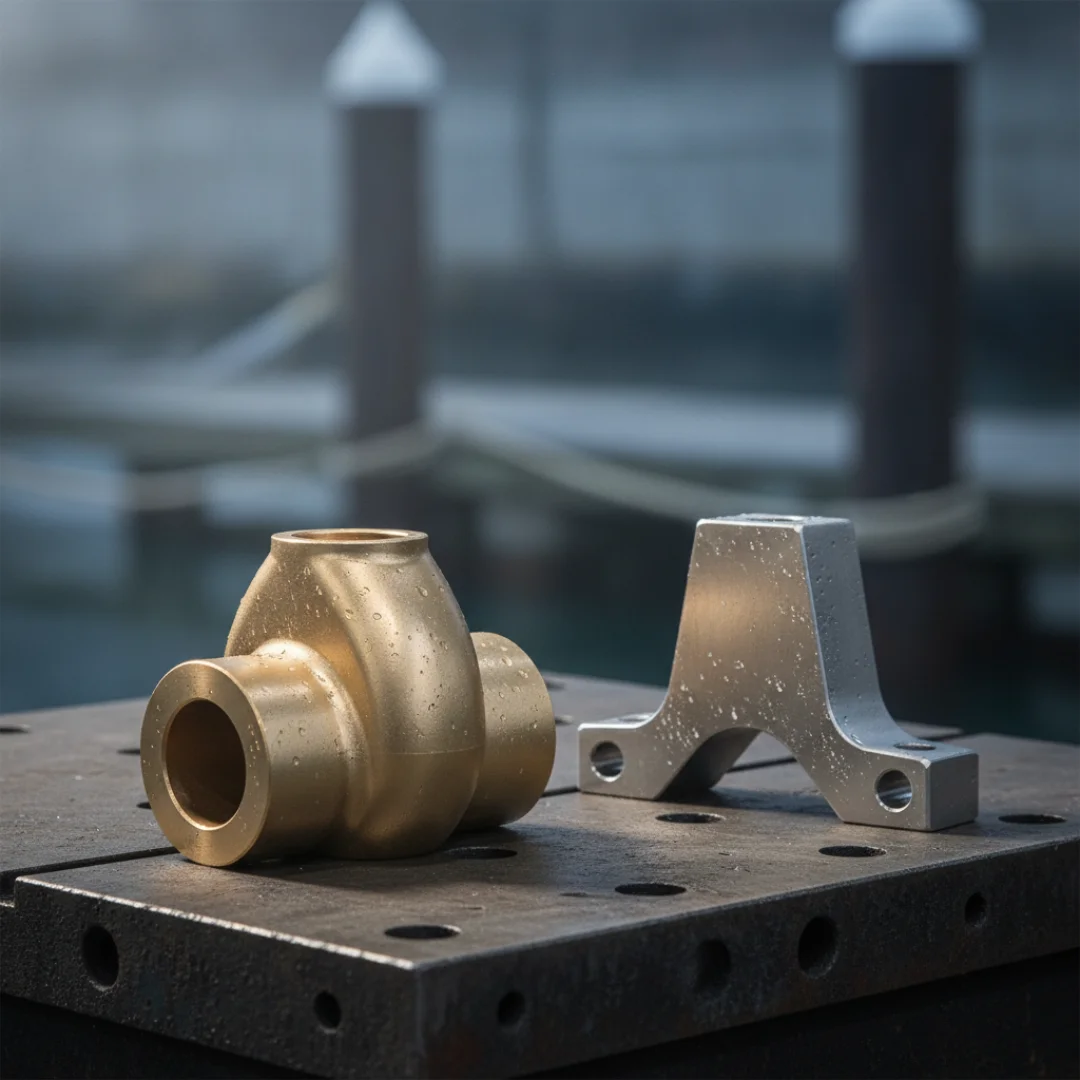
Nickel aluminium bronze is a long standing marine casting alloy, valued for its resistance to seawater and to biofouling, along with good mechanical strength. It is the standard choice for propellers, pump components and valve bodies that sit in constant contact with flowing seawater. It is heavier than stainless steel, so it tends to get specified where its particular seawater performance is the deciding factor rather than for general hardware.
When Higher Alloys Make Sense
For extreme exposure, such as offshore or subsea equipment, super duplex and other premium alloys can be justified. Cost rises with that jump, and most commercial marine hardware performs well on 2205, 316L or nickel aluminium bronze without needing to go further.
Why Investment Casting Suits Marine Hardware
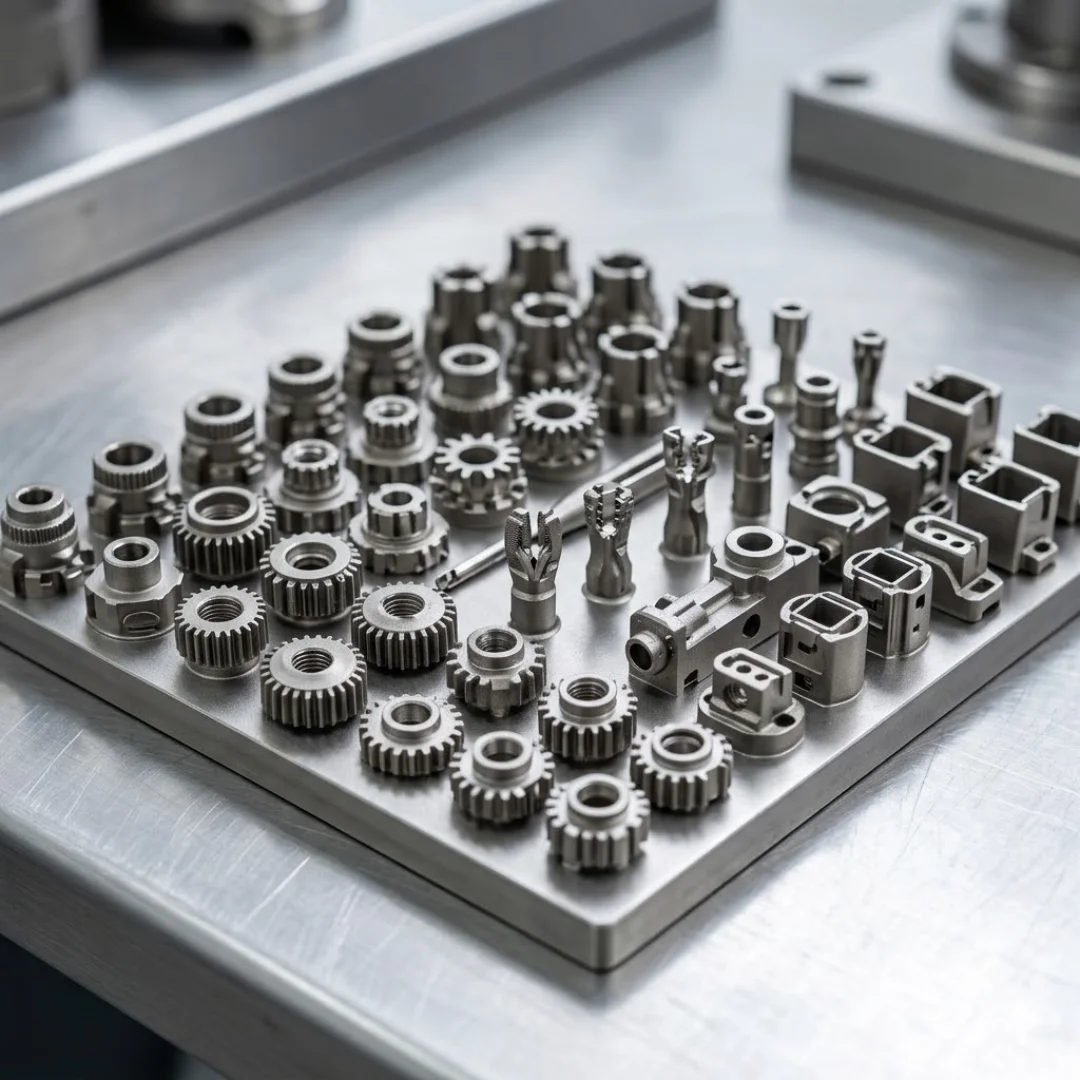
Producing a complex shape as one piece removes joints and welds that would otherwise become the first point of corrosion failure. That is a meaningful advantage for marine parts specifically, where a single weak seam can undermine an otherwise well chosen alloy. Near net shape casting also reduces the amount of machining needed on harder alloys like duplex 2205, which is more demanding to machine from bar stock than standard grades. And because investment casting produces consistent metallurgy and mechanical properties across a production run, it suits safety related marine hardware where part to part consistency matters as much as the initial design. [link: what-is-investment-casting]
| Alloy | Corrosion Resistance | Typical Marine Use | Relative Cost |
|---|---|---|---|
| Duplex 2205 | Very good, resists pitting and crevice corrosion | Deck hardware, structural fittings, splash zone parts | Moderate |
| 316L Stainless | Good above waterline, weaker in stagnant seawater | Deck hardware, fasteners, lower severity exposure | Lower |
| Nickel Aluminium Bronze | Excellent, built for constant seawater contact | Propellers, pump and valve components | Higher |
Common Marine Applications We Cast
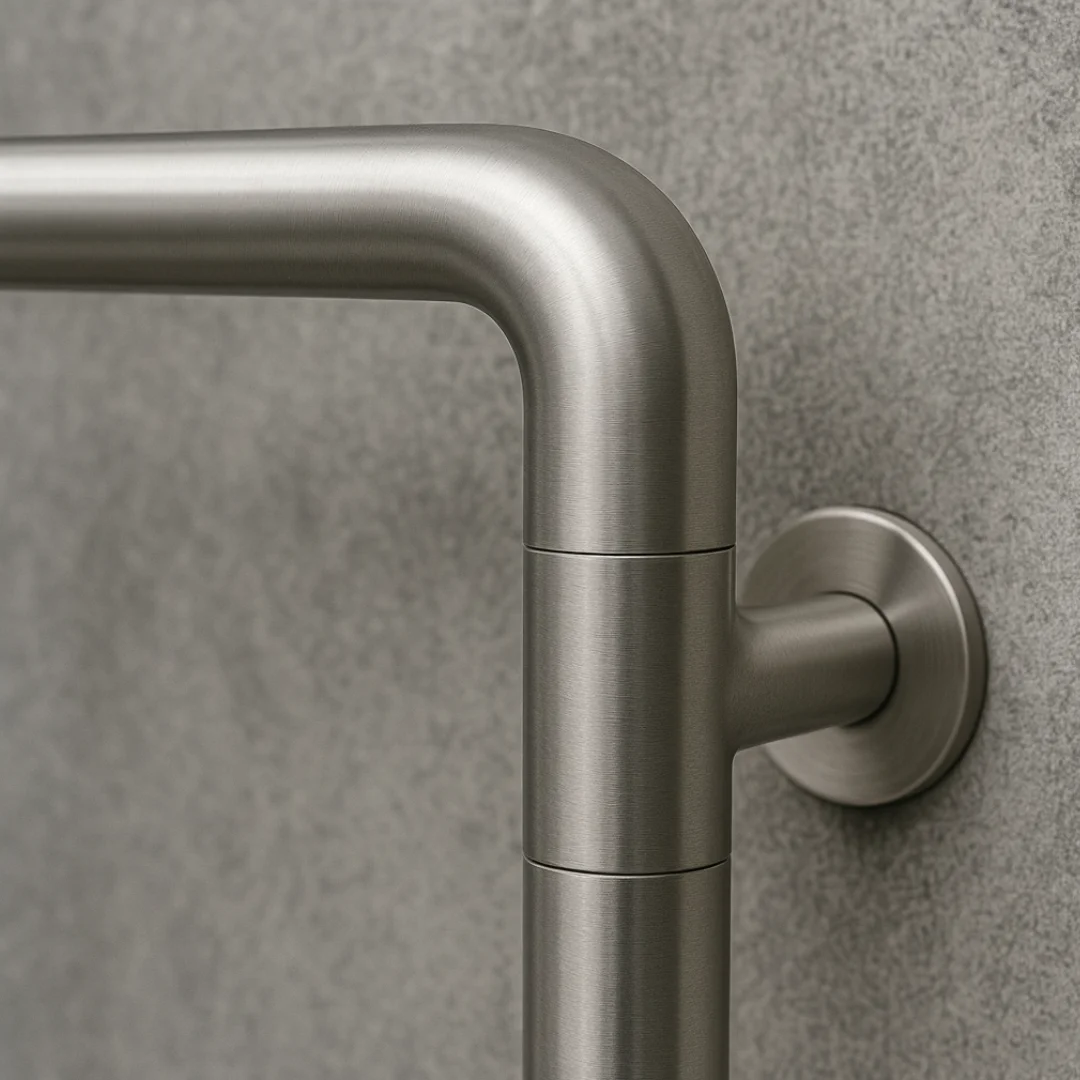
Deck hardware and fittings, including cleats, hinges, brackets and handrail hardware, benefit from investment casting because the process handles curved and detailed geometry cleanly, without the welded seams that create weak points in a corrosive environment. Our handrail connector and bracket latch products are examples of the kind of hardware this process suits well. [link: handrail-connector] [link: bracket-latch] Pump and valve components, including impellers, valve bodies and housings, need dimensional accuracy alongside corrosion resistance, since they sit in direct contact with moving seawater. Investment casting holds the tight geometry these parts require while allowing alloys like nickel aluminium bronze that are difficult to machine efficiently from solid bar stock. Structural and mounting hardware, such as base plates, mounting brackets and structural connectors, needs a combination of corrosion resistance and dimensional accuracy, particularly where the part bolts directly into a vessel structure and has to keep its fit over years of service.